 Vital
Feeling worn out by mid-afternoon, needing a nap you never used to need, or simply lacking the spark to do things you enjoy: fatigue is one of the most common complaints after 60. It is common, but it is not something you should simply accept as "getting old". Most causes can be found and improved.
The 9 most common causes
1. Poor or broken sleep
Sleep gets lighter and more fragmented with age. Waking to use the bathroom, aches, and sleep apnea (loud snoring with pauses in breathing) are frequent culprits. Sleep apnea is under-diagnosed in older adults and very treatable.
2. Low vitamin B12
As stomach acid falls with age, the body absorbs less B12 from food. US health authorities estimate that 10 to 30 percent of older adults absorb food B12 poorly, and they advise people over 50 to get much of their B12 from fortified foods or supplements. Metformin and acid-reducing drugs make this more likely. A simple blood test checks it.
3. Anemia or low iron
Fewer red blood cells means less oxygen delivered to muscles and brain, which feels like constant tiredness and breathlessness on stairs.
4. Thyroid changes
An underactive thyroid becomes more common with age and causes tiredness, feeling cold, weight gain and constipation.
5. Medications
Blood pressure drugs, sleep aids, antihistamines, some antidepressants and pain medicines can all cause fatigue. Never stop a medicine on your own, but ask your doctor or pharmacist to review the list.
6. Not enough movement
It feels backwards, but resting more often makes people more tired. Regular walking and strength work improve energy levels within weeks.
7. Not eating or drinking enough
Appetite and thirst both decline with age. Mild dehydration and low protein intake leave you flat.
8. Low mood
Depression in older adults often shows up as tiredness and loss of interest rather than sadness.
9. Slowing "cell batteries"
Every cell runs on energy made by tiny structures called mitochondria. Research shows that mitochondria tend to become fewer and less efficient with age, and that levels of coenzyme Q10 (CoQ10), a compound they need to produce energy, fall too. This is one reason muscles tire faster and recover more slowly in later life.
Tests worth asking your doctor about
- Complete blood count (anemia)
- Vitamin B12 and folate
- Ferritin (iron stores)
- Thyroid function (TSH)
- Blood sugar (HbA1c)
- Vitamin D
- A medication review, and a sleep study if you snore loudly
Habits that lift energy
- Morning daylight. Ten to twenty minutes outside soon after waking helps set your body clock, which improves sleep at night.
- Move every day. A 20-minute walk and two or three short strength sessions a week (see our muscle guide). Mitochondria multiply in response to exercise at any age.
- Protein at breakfast to avoid the mid-morning slump.
- Drink regularly rather than waiting to feel thirsty.
- Keep naps short: 20 to 30 minutes, before 3 pm.
- Limit alcohol, which fragments sleep.
Where supplements fit
If a test shows a deficiency in B12, iron or vitamin D, correcting it is the most effective "energy supplement" there is. Beyond that, the ingredients most often studied for age-related tiredness support the mitochondria:
- CoQ10: levels decline with age and are lowered further by statin medicines. A 2019 meta-analysis of trials found CoQ10 modestly reduced fatigue scores compared with placebo. The ubiquinol form is often chosen for older adults.
- PQQ, L-carnitine and alpha-lipoic acid: involved in energy metabolism; human evidence is smaller and mixed.
- NAD+ precursors (NR, NMN): popular and promising in the lab; human results so far are modest.
Expect gradual, subtle changes over 4 to 8 weeks, not a caffeine-like jolt. CoQ10 may reduce the effect of warfarin, so check with your doctor if you take blood thinners.
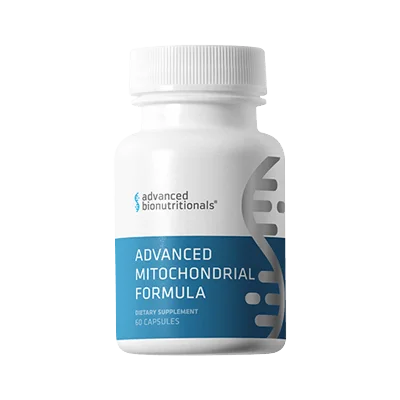
Advanced Mitochondrial Formula
A mitochondria-focused formula for adults who feel their energy has dropped with age. · Read our full review
from $66.65$79.95per bottle in the 6-pack
Check price on the official site →Official store · money-back guarantee
Keep reading
 Keeping muscle after 60
 Memory tips after 60
 Nitric oxide after 60
Frequently asked questions
Is it normal to be tired all the time at 60?
Feeling a little less energetic than at 40 is common, but being tired all the time is not something to accept. Sleep problems, low B12, anemia, thyroid changes and medications are common, fixable causes. See your doctor if fatigue is new or getting worse.
What vitamin deficiency causes tiredness in older adults?
Low vitamin B12 is one of the most common, because absorption falls with age. Low iron, folate and vitamin D can also contribute. A blood test is the only reliable way to know.
Does CoQ10 help with energy after 60?
CoQ10 levels fall with age, and some studies show a modest reduction in fatigue with supplements, particularly in people with low levels or those taking statins. Results are gradual and vary between people.
What is the best natural energy booster for seniors?
Regular exercise, morning daylight, good sleep and enough protein and fluids have the strongest evidence. Supplements help most when they correct a specific deficiency.