 Vital
Walking into a room and forgetting why, or reaching for a name that will not come: after 60, these moments can feel worrying. Most of the time they are a normal part of aging. And a large body of research now shows that everyday habits have a real effect on how well the brain ages.
Normal aging or something more?
| Usually normal aging | Worth discussing with a doctor |
|---|---|
| Taking longer to recall a name, which comes back later | Forgetting recent conversations or events entirely |
| Occasionally misplacing keys or glasses | Putting things in unusual places (keys in the fridge) |
| Needing more time to learn something new | Getting lost in familiar places |
| Losing your train of thought now and then | Trouble following a recipe or managing bills you used to handle |
| Forgetting why you walked into a room | Family or friends noticing changes and being worried |
Memory problems can also come from treatable causes such as low vitamin B12, thyroid problems, poor sleep, depression, hearing loss or medication side effects, so a check-up is always worthwhile.
10 habits with real evidence
- Move your body. Aerobic exercise increases blood flow to the brain. In one well-known trial, a year of walking increased the size of the hippocampus, the brain's memory center, in older adults.
- Protect your hearing. The Lancet Commission on dementia lists hearing loss as one of the largest modifiable risk factors. If you struggle to follow conversations, get a hearing test and use hearing aids if advised.
- Keep blood pressure in check. What is good for your heart is good for your brain.
- Sleep 7 to 8 hours. The brain consolidates memories and clears waste products during deep sleep.
- Stay social. Regular conversation is one of the most demanding mental workouts there is.
- Learn something genuinely new. A language, an instrument, a dance class. Novelty and challenge matter more than puzzles you already find easy.
- Eat a Mediterranean-style diet: vegetables, berries, beans, olive oil, nuts and fish, with less processed food.
- Do not smoke, and keep alcohol low.
- Manage blood sugar; diabetes is linked to faster cognitive decline.
- Use memory tools without guilt. Calendars, lists and a fixed spot for keys free up mental energy.
Do memory supplements work?
The honest answer: some ingredients have encouraging research, few have strong proof, and none can replace the habits above. Here is what the evidence says about the most common ones:
- B vitamins (B6, B12, folate): helpful when levels are low. In the Oxford VITACOG trial, B vitamins slowed brain shrinkage in older adults with mild memory problems who had high homocysteine levels.
- Multivitamins: the large COSMOS studies found a daily multivitamin modestly improved memory test scores in older adults compared with placebo.
- Omega-3 (DHA/EPA): important for brain structure; trial results in people without deficiency are mixed.
- Phosphatidylserine, bacopa and citicoline: small studies suggest benefits for memory or attention in older adults; larger trials are needed.
- Ginkgo biloba: a large US trial (GEM) found no benefit for preventing dementia, and ginkgo can interact with blood thinners.
If you try a memory supplement, give it at least 8 to 12 weeks, keep everything else the same so you can judge it, and stop if you notice side effects.
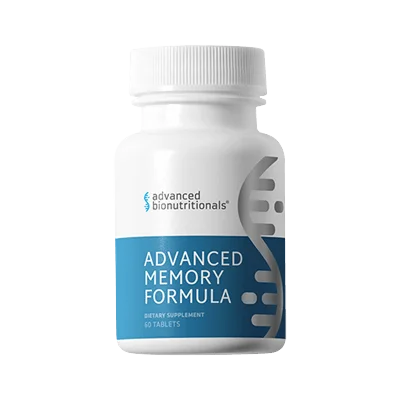
Advanced Memory Formula
A memory and focus formula for adults who want to support everyday recall. · Read our full review
from $41.50$49.95per bottle in the 6-pack
Check price on the official site →Official store · money-back guarantee
Keep reading
 Why am I so tired after 60?
 Eye health after 60
 Keeping muscle after 60
Frequently asked questions
Is memory loss at 60 normal?
Mild changes, such as taking longer to recall names or occasionally misplacing things, are a normal part of aging. Forgetting recent events entirely, getting lost in familiar places or trouble managing everyday tasks are not, and should be checked by a doctor.
What is the best thing to do for memory after 60?
Regular physical exercise has some of the strongest evidence, along with good sleep, social contact, treating hearing loss and controlling blood pressure.
What vitamin is good for memory in older adults?
Vitamin B12 is the most important to check, since deficiency is common after 60 and can affect memory. Folate and B6 also matter. A blood test will show whether you need a supplement.
Do brain supplements really work?
Some ingredients, such as B vitamins in people with low levels and daily multivitamins, have shown modest benefits in trials. Most others have limited evidence. They work best alongside healthy habits, not instead of them.