 Vital

Bloating after meals, constipation, heartburn or foods that suddenly "do not agree with you" anymore: digestive complaints become much more common after 60. Some of this is natural aging of the gut, and much of it responds well to simple changes.
Why digestion changes with age
- Slower movement: the muscles of the gut work more slowly, so food and waste move through more slowly.
- Less stomach acid: common with age and with acid-reducing medicines, it affects digestion of protein and absorption of B12, iron and calcium.
- Fewer digestive enzymes in some people, and lactose intolerance can appear for the first time.
- Changes in gut bacteria: the microbiome tends to become less diverse with age.
- Medications: painkillers, iron, calcium, some blood pressure drugs and antidepressants can cause constipation.
- Less movement and less water, both of which slow the bowels.
The basics that solve most problems
Fiber: aim for 21 to 30 grams
The recommended daily intake after 50 is about 21 g for women and 30 g for men, and most people get far less. Increase slowly over two or three weeks to avoid gas.
| Food | Fiber (approx.) |
|---|---|
| 1 cup cooked lentils | 15 g |
| 1 cup raspberries | 8 g |
| 1 medium pear (with skin) | 6 g |
| 1 cup cooked oatmeal | 4 g |
| 2 tablespoons chia seeds | 8 g |
| 5 prunes | 3 g |
Water
Fiber needs water to work. Sip regularly through the day; thirst signals weaken with age.
Movement
A daily walk stimulates the gut. Even 15 minutes after a meal can ease bloating.
Eat slower, smaller meals
Chewing well and eating smaller portions reduces bloating and heartburn. Avoid lying down for two to three hours after eating.
Probiotics, enzymes and other digestive supplements
- Probiotics: effects depend on the specific strain. Some strains have evidence for regularity or for reducing antibiotic-related diarrhea. Give a product four weeks to judge it.
- Prebiotics (inulin, partially hydrolyzed guar gum) feed beneficial bacteria; start with a small dose to avoid gas.
- Digestive enzymes: lactase clearly helps lactose intolerance; broader enzyme blends may help some people with heaviness after meals.
- Ginger and peppermint oil: ginger supports stomach emptying and eases nausea; enteric-coated peppermint oil has evidence for IBS-type discomfort.
- Psyllium: a gentle, well-studied fiber supplement for regularity.
Combination formulas bring several of these together, which is convenient but makes it harder to tell which part is working for you. If you take prescription medicines, ask your pharmacist whether fiber supplements should be taken at a different time of day, since they can reduce absorption of some drugs.
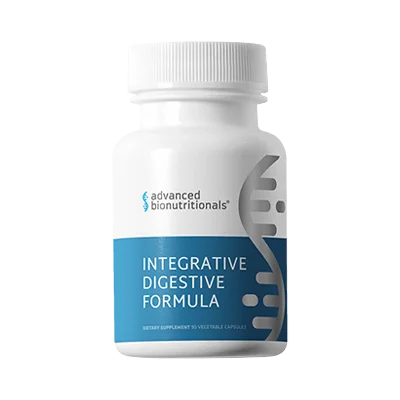
Integrative Digestive Formula
A combination digestive formula for adults over 60 who deal with bloating or irregularity. · Read our full review
from $33.25$39.95per bottle in the 6-pack
Check price on the official site →Official store · money-back guarantee
Keep reading
 Keeping muscle after 60
 Why am I so tired after 60?
 Eye health after 60
Frequently asked questions
Why does digestion get worse after 60?
The gut moves more slowly with age, stomach acid and enzyme production can fall, gut bacteria change, and many common medications slow digestion. Less activity and lower fluid intake add to it.
How can seniors improve digestion naturally?
Gradually increase fiber to 21 to 30 grams a day, drink water regularly, walk daily, eat smaller meals slowly, and review medications with your doctor.
Are probiotics good for people over 60?
Some strains have evidence for regularity and other digestive benefits, but effects are strain-specific. People with weakened immune systems should ask their doctor first.
When should I worry about digestive problems?
See a doctor for blood in the stool, black stools, unexplained weight loss, difficulty swallowing, persistent vomiting or a lasting change in bowel habits.