 Vital
Losing muscle is one of the quietest parts of getting older, and one of the most important. Muscle is what lets you climb stairs, carry groceries, get up from a low chair and catch yourself if you trip. The encouraging part: muscle responds to training and protein at any age, including in your seventies and eighties.
Why muscle loss speeds up after 60
Adults start losing a little muscle from around their thirties. The pace is slow at first, then picks up after 60, and strength usually falls faster than muscle size. Doctors call the more serious form of this sarcopenia. Several things drive it:
- "Anabolic resistance." Older muscles respond less to the same amount of protein, so a meal that would have kept a 30-year-old's muscle topped up does less at 70.
- Less activity. Retirement, joint pain or a period of illness often means less movement, and muscle that is not used is lost quickly. A week in bed can cost older adults a noticeable amount of leg muscle.
- Hormonal changes in both men and women.
- Eating less overall, often with less protein, because appetite naturally drops with age.
Step 1: Strength training (the non-negotiable)
No food or supplement comes close to the effect of making your muscles work against resistance. US activity guidelines recommend muscle-strengthening activity at least two days a week for older adults, alongside about 150 minutes of moderate activity such as brisk walking, and balance exercises.
You do not need a gym. A good starter routine, two or three times a week:
- Sit-to-stand from a chair, 8 to 12 times, without using your hands if you can.
- Wall or counter push-ups, 8 to 12 times.
- Step-ups on the bottom stair, holding the rail.
- Rows with a resistance band tied to a door handle.
- Heel raises holding the back of a chair.
Do one to three rounds. The last two repetitions should feel hard but still be done with good form. When it gets easy, add a band, a backpack with a few books in it, or more repetitions. If you have heart, joint or balance problems, ask your doctor or a physical therapist to set the starting level.
Step 2: Eat more protein, and spread it out
The official minimum of 0.8 g of protein per kilogram of body weight was set for younger adults. Expert groups on aging, such as the PROT-AGE study group, suggest 1.0 to 1.2 g per kg per day for healthy people over 65, and more for those who are active or recovering from illness (unless you have kidney disease, in which case your doctor will set your limit).
| Body weight | Protein per day (1.0 to 1.2 g/kg) | Per meal (3 meals) |
|---|---|---|
| 130 lb (59 kg) | 59 to 71 g | 20 to 24 g |
| 160 lb (73 kg) | 73 to 88 g | 24 to 29 g |
| 190 lb (86 kg) | 86 to 103 g | 29 to 34 g |
Timing matters too. Because of anabolic resistance, older muscles seem to need about 25 to 30 g of protein in one meal to get a strong "build" signal. Many people eat a tiny protein breakfast, a small lunch and a big dinner. Moving some of that dinner protein to breakfast (eggs, Greek yogurt, cottage cheese, a protein shake) is one of the easiest wins.
Why leucine and essential amino acids matter
Protein is made of amino acids, and nine of them are "essential", meaning your body cannot make them. One of these, leucine, acts like the on-switch for muscle building. Studies in older adults suggest meals need roughly 2.5 to 3 g of leucine to switch it on fully. Animal proteins, dairy and whey are rich in leucine; plant proteins usually have less, so plant-based eaters need slightly larger portions or a mix of sources.
This is why essential amino acid (EAA) formulas are popular with older adults who struggle to eat large protein portions: they deliver the building blocks in a small serving without the fullness of a big meal.
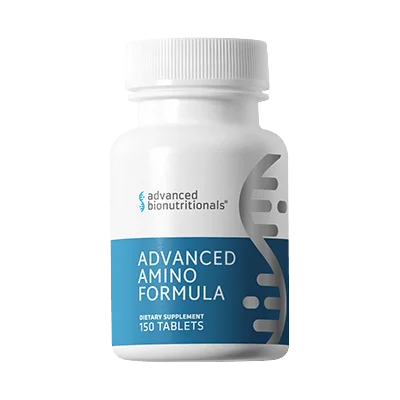
Advanced Amino Formula
An essential amino acid formula aimed at adults who find it hard to eat enough protein. · Read our full review
from $33.25$39.95per bottle in the 6-pack
Check price on the official site →Official store · money-back guarantee
Step 3: Supplements with real evidence
Creatine
Creatine monohydrate is one of the most researched supplements in the world. In older adults, combining it with strength training has added more muscle and strength than training alone in several meta-analyses. The usual dose is 3 to 5 g a day. People with kidney disease should not take it without medical advice.
Vitamin D
Low vitamin D is common after 60, especially in northern states and in people who spend most of their time indoors. Correcting a deficiency supports normal muscle function. Ask for a blood test rather than guessing your dose.
Whey or essential amino acids
Useful for hitting your per-meal protein target, especially at breakfast or after exercise.
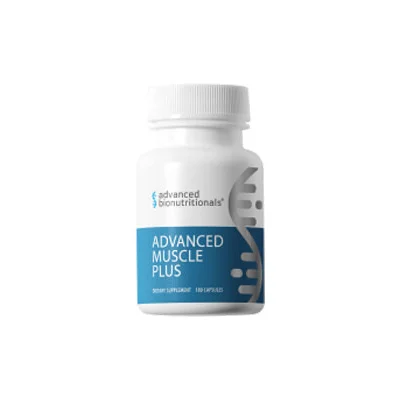
Advanced Muscle Plus
A formula designed to pair with strength training for adults over 60. · Read our full review
from $66.65$79.95per bottle in the 6-pack
Check price on the official site →Official store · money-back guarantee
What to skip
Be wary of products that promise muscle without exercise, "testosterone boosters" with unclear doses, and anything that claims dramatic results in days.
A simple weekly plan
- Strength exercises on Monday, Wednesday and Friday (20 to 30 minutes).
- A brisk walk most days.
- 25 to 30 g of protein at each meal, starting with breakfast.
- A balance exercise daily, such as standing on one leg while brushing your teeth (hold the counter).
- Vitamin D checked at your next appointment.
Give it eight to twelve weeks. Most people notice that stairs and chairs feel easier well before they see a change in the mirror.
Keep reading
 Why am I so tired after 60?
 Nitric oxide after 60
 Digestion after 60
Frequently asked questions
Is it too late to build muscle at 70 or 80?
No. Studies in people in their eighties and nineties have shown real gains in strength and muscle from supervised strength training. Progress may be slower than at 40, but it is very real.
How much protein should a 70-year-old eat?
Many experts suggest 1.0 to 1.2 grams per kilogram of body weight per day for healthy older adults, which is roughly 70 to 90 grams for a 160-pound person. People with kidney disease should follow their doctor's advice.
What is the best exercise for muscle loss after 60?
Any exercise that makes your muscles work against resistance, done at least twice a week: chair stands, step-ups, push-ups against a wall or counter, band rows, or machines at a gym. Walking is excellent for the heart but does not replace strength work.
Do amino acid supplements work for older adults?
Essential amino acid and leucine-rich supplements can help older adults reach the amount of protein needed to stimulate muscle building, especially when appetite is low. They work best combined with strength training and are not a substitute for food.