 Vital

Getting up at night to use the bathroom, a weaker stream, or feeling that you never quite empty your bladder: by age 60, about half of men have some of these symptoms, and by 80 most do. Usually the cause is a harmless enlargement of the prostate. But the same symptoms can have other causes, so it pays to understand what is going on.
Why the prostate grows with age
The prostate is a walnut-sized gland below the bladder that wraps around the urethra, the tube urine passes through. With age, hormonal changes (especially the effect of DHT, a form of testosterone) make it grow slowly. This is called benign prostatic hyperplasia (BPH). It is not cancer and does not cause cancer, but a bigger prostate can squeeze the urethra.
Common symptoms
- Waking up two or more times a night to urinate
- A weak or interrupted stream
- Difficulty starting
- Dribbling at the end
- A sudden, urgent need to go
- Feeling the bladder is not empty
Doctors often use a short questionnaire called the International Prostate Symptom Score (IPSS) to rate how much these symptoms affect you, and to track changes over time.
Check-ups and PSA testing
PSA (prostate-specific antigen) is a blood test that can rise with BPH, infection, or prostate cancer. US guidance suggests men aged 55 to 69 discuss the pros and cons of PSA screening with their doctor and decide together; men at higher risk (Black men, or those with a father or brother who had prostate cancer) may start the conversation earlier. Tell your doctor about any supplements you take before testing.
Everyday habits that help
- Drink less in the evening, especially in the two hours before bed, but keep total daily fluids up.
- Cut back on caffeine and alcohol, which irritate the bladder and increase urine production.
- Double voiding: after urinating, wait a few seconds and try again.
- Stay active and keep a healthy weight; abdominal fat and inactivity are linked to worse symptoms.
- Review your medicines: decongestants, antihistamines and diuretics can worsen urinary symptoms.
- Pelvic floor exercises can help with dribbling and urgency.
- Eat more vegetables and tomatoes; diets rich in plants are linked to better prostate health in observational studies.
Prostate supplements: what the research shows
| Ingredient | Evidence in brief |
|---|---|
| Beta-sitosterol | A Cochrane review found improvements in urinary symptoms and flow. One of the more consistent results. |
| Pygeum africanum | Older trials suggest modest improvement in night-time urination and flow. |
| Saw palmetto | The most popular, but large, high-quality trials found results similar to placebo. Some men still report benefits. |
| Stinging nettle root | Some European trials, often combined with saw palmetto, showed better symptom scores. |
| Lycopene | Tomato carotenoid linked to prostate health in observational research. |
| Zinc | Found in high amounts in the prostate; useful if your diet is low in it. |
Combination formulas include several of these at once, which gives you more chances that one ingredient suits you. Give any prostate supplement 8 to 12 weeks, and keep track of your night-time trips to judge it. Supplements support normal prostate function; they do not treat BPH or prostate cancer, and they are not a substitute for medical care.
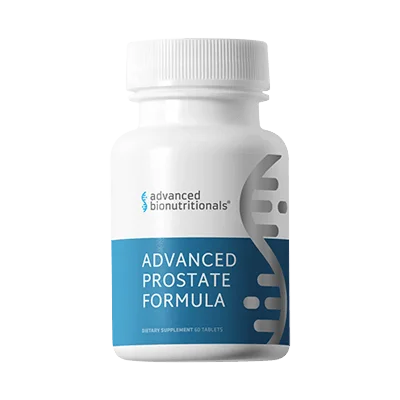
Advanced Prostate Formula
A combination formula with saw palmetto, pygeum, nettle, beta-sitosterol, lycopene, zinc and vitamin D. · Read our full review
from $41.50$49.95per bottle in the 6-pack
Check price on the official site →Official store · money-back guarantee
Keep reading
 Nitric oxide after 60
 Why am I so tired after 60?
 Is Advanced Bionutritionals legit?
Frequently asked questions
Is it normal to urinate at night after 50?
Getting up once a night is common. Waking two or more times regularly is worth discussing with your doctor; it is often due to an enlarged prostate but can have other causes, such as sleep apnea, diabetes or medications.
Does saw palmetto really work for the prostate?
Results are mixed. Some men report fewer symptoms, but large high-quality trials found saw palmetto performed similarly to placebo. Beta-sitosterol and pygeum have more consistent evidence.
What foods are good for the prostate?
Tomatoes (lycopene), cruciferous vegetables such as broccoli, fatty fish, nuts and seeds, and a generally plant-rich diet are associated with better prostate health.
Should I get a PSA test?
Men aged 55 to 69 should talk with their doctor about the benefits and risks of PSA screening and decide together. Men at higher risk may start earlier.