 Vital

Walking into a room and forgetting why. Losing a word mid-sentence. Feeling like you are thinking through cotton. "Brain fog" is not a medical diagnosis, but it is a very real feeling, and after 60 it often has a fixable cause. Here are the most common ones, and what you can do.
Normal aging or something more?
Some changes are normal: names come back a little slower, multitasking gets harder, and you need a list for the store. What is not normal: getting lost in familiar places, repeating the same question many times, trouble managing bills you always handled, or changes that friends and family notice. If that sounds familiar, see your doctor soon.
10 common causes
- Poor sleep. Sleep apnea is common and underdiagnosed after 60. Loud snoring and daytime sleepiness are clues.
- Medications. Sleep aids, allergy pills with diphenhydramine, some bladder drugs, anxiety medicines and pain medicines can all dull thinking.
- Low vitamin B12. Absorption falls with age and with drugs like metformin and acid reducers. A simple blood test can check.
- Thyroid problems. An underactive thyroid can cause slowness, fatigue and poor concentration.
- Dehydration. Thirst signals weaken with age; even mild dehydration affects attention.
- Hearing loss. Straining to hear uses brain resources, and untreated hearing loss is linked to faster cognitive decline.
- Low mood or anxiety. Depression in older adults often shows up as poor concentration rather than sadness.
- Blood sugar swings. Big carbohydrate meals can be followed by a slump.
- Too little movement. Exercise increases blood flow to the brain.
- Alcohol. Its effect on the brain gets stronger with age.
What helps
- Get checked. Ask your doctor for a medication review and blood tests (B12, thyroid, blood sugar, blood count).
- Protect sleep. Regular times, a dark cool room, and a sleep study if you snore loudly.
- Walk daily. 20 to 30 minutes of brisk walking is one of the best-studied habits for brain health.
- Drink regularly. Keep a glass of water in sight; aim for pale yellow urine.
- Treat hearing loss. Hearing aids are now available over the counter in the US.
- Eat for the brain. The MIND diet (leafy greens, berries, nuts, olive oil, fish, beans) is linked with slower cognitive aging in observational studies.
- Stay social and keep learning. Conversation, cards, a new language or instrument all count.
More tips are in our guide to keeping your memory sharp after 60.
Do memory supplements help?
If you have a deficiency, such as low B12 or vitamin D, correcting it can make a clear difference. For other "brain" ingredients the evidence is mixed: some show small effects in specific groups, others none. A supplement is an add-on to sleep, movement and a medical check, not a replacement for them. Do not take ginkgo with blood thinners without asking your doctor.
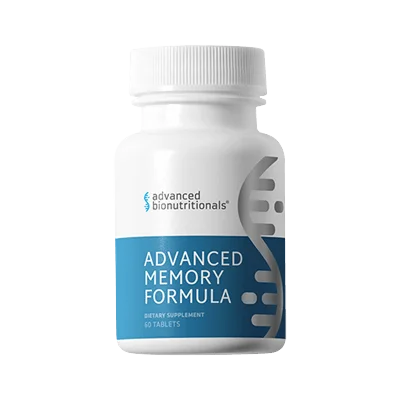
Advanced Memory Formula
A memory and focus formula for adults who want to support everyday recall, with our honest take on the evidence. · Read our full review
from $41.50$49.95per bottle in the 6-pack
Check price on the official site →Official store · money-back guarantee
Keep reading
 Memory tips after 60
 Why am I so tired after 60?
Frequently asked questions
Is brain fog a sign of dementia?
Usually not. Most brain fog after 60 is linked to sleep, medications, mood, or a vitamin or thyroid issue. Signs that need prompt evaluation are getting lost, repeating questions, or trouble with tasks you used to handle easily.
What vitamin deficiency causes brain fog?
Vitamin B12 deficiency is the classic one in older adults. Low vitamin D, iron and folate can also contribute. A blood test can check.
Can dehydration cause brain fog in the elderly?
Yes. Older adults feel less thirst, and even mild dehydration can affect attention and memory.
How do I clear brain fog fast?
A glass of water, a brisk 10-minute walk, daylight and a protein-rich snack help many people in the short term. Lasting improvement comes from better sleep and fixing the underlying cause.